what are ketones in diabetes Diabetic ketoacidosis (dka) – why should it matter to me?
In recent years, the ketogenic diet has gained significant popularity among individuals looking to improve their health and lose weight. This low-carb, high-fat diet has been shown to have numerous benefits, including the induction of a metabolic state known as ketosis. Ketosis occurs when the body shifts from using glucose as its primary fuel source to utilizing ketones, which are produced from the breakdown of fats in the liver.
Understanding Ketosis and Ketones
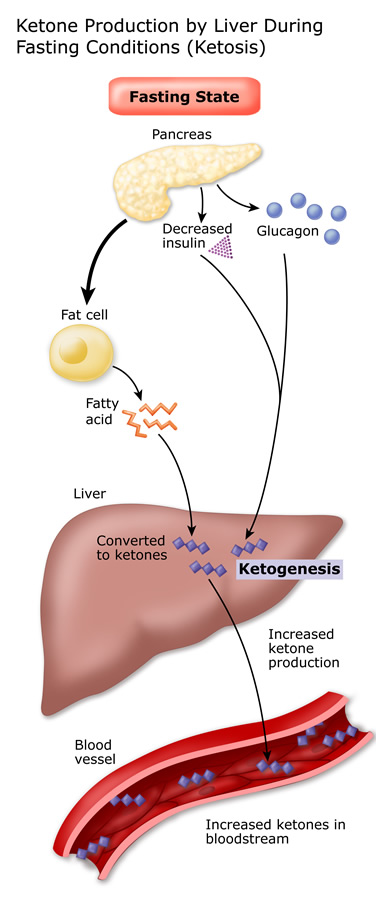
Ketosis occurs when carbohydrate intake is significantly reduced, causing the body to break down stored fats for energy. This metabolic state is characterized by the production of ketones, which are water-soluble molecules that serve as an alternative fuel source when glucose is scarce. Ketones can be measured in the blood, urine, or breath, providing insight into the level of ketosis an individual is experiencing.
There are three major types of ketones: acetoacetate, beta-hydroxybutyrate (BHB), and acetone. Acetoacetate is primarily produced by the liver, while BHB is the most abundant ketone in the blood. Acetone, on the other hand, is a volatile compound that is excreted through the breath and urine.
Optimal Ketone Range for Ketosis
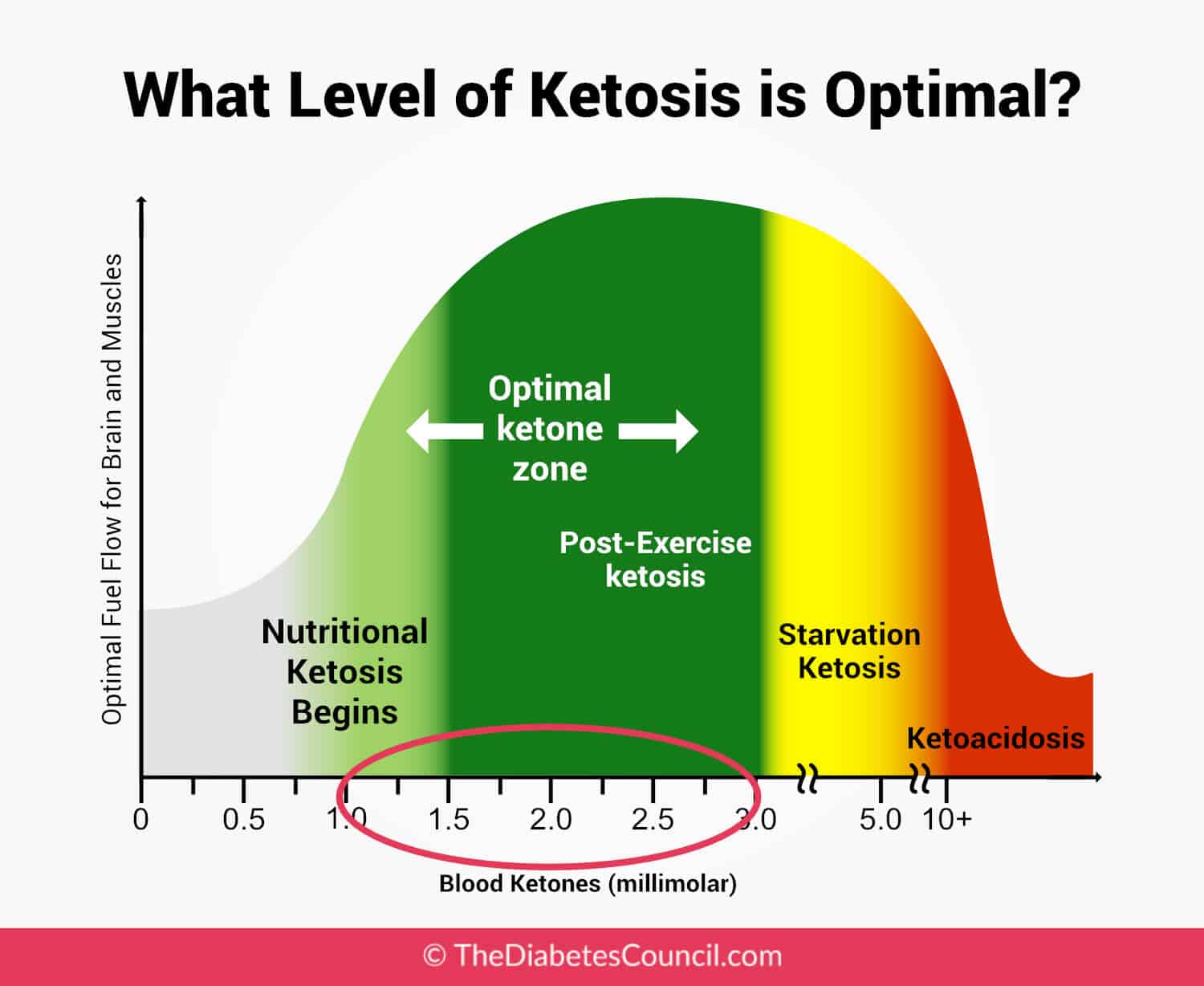
When following a ketogenic diet, it is important to achieve and maintain a certain range of ketone levels to ensure that you are in a state of ketosis. The optimal ketone range for most individuals is between 1.5 and 3 mmol/L (millimoles per liter). This range indicates that your body is effectively utilizing fat for fuel and producing ketones at an appropriate rate.
However, it’s worth noting that the ideal ketone range can vary from person to person. Factors such as age, activity level, and individual metabolic health can influence the optimal ketone level for each individual. It is recommended to consult with a healthcare professional or a registered dietitian experienced in ketogenic diets to determine the appropriate ketone range for your specific needs.
Monitoring Ketone Levels
There are several methods available to monitor your ketone levels while following a ketogenic diet. One common approach is to use urine test strips, also known as keto strips, which can provide a rough estimate of the ketone levels in your body. These strips measure the level of acetoacetate in your urine and can be easily used at home.
 Blood Testing for Ketones
For a more accurate and reliable measurement of ketones, blood testing is considered the gold standard. A small blood sample is typically taken from the finger using a lancet and then analyzed using a ketone meter. This method provides an actual measurement of beta-hydroxybutyrate levels in your blood, giving you a precise indication of your ketone status.
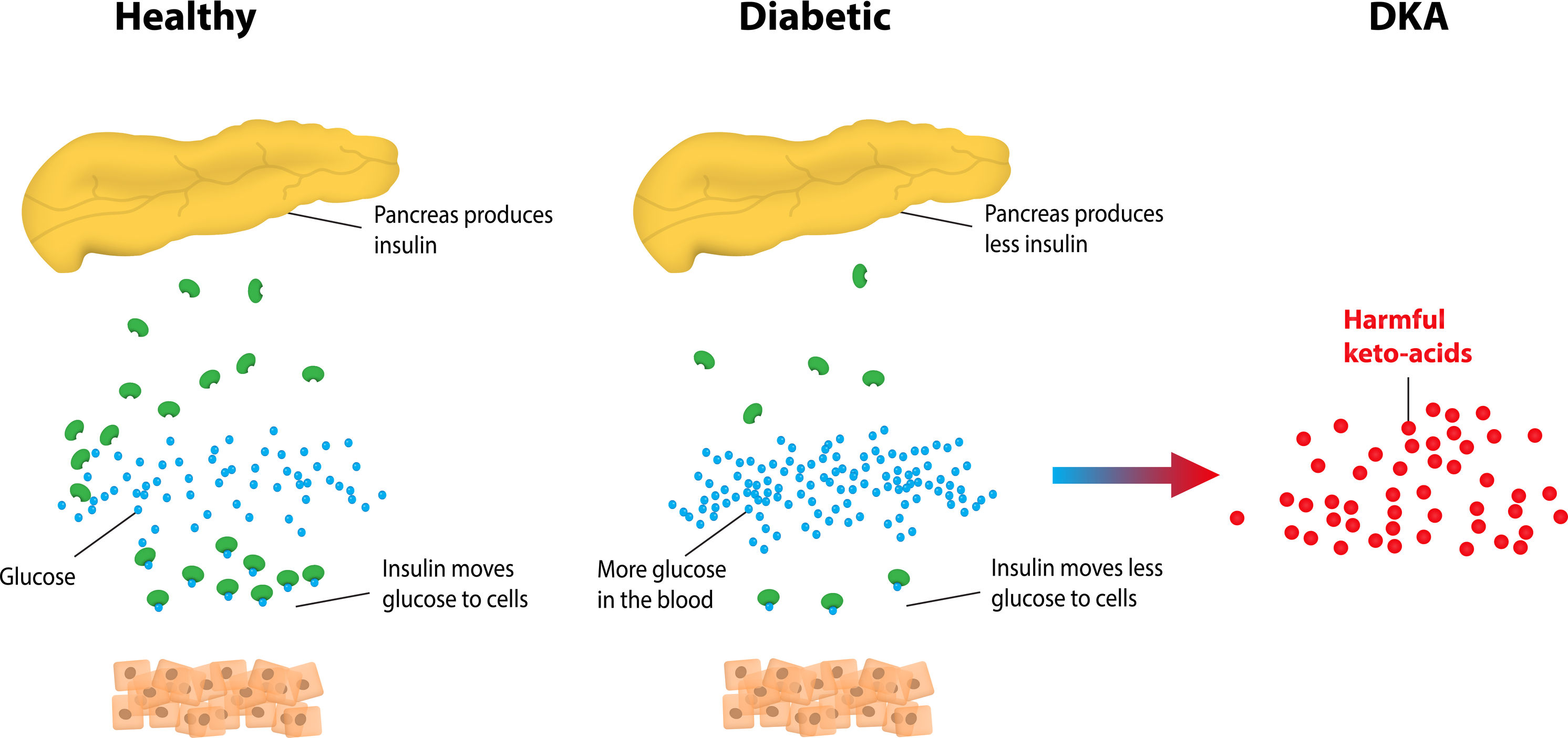
Although blood testing may be slightly more invasive and expensive than urine testing, it offers greater accuracy and can be particularly beneficial for individuals with certain medical conditions, such as diabetes, who need to closely monitor their ketone levels.
The Importance of Finding Your Balance
While being in a state of ketosis can have numerous health benefits, it is important to find the right balance when following a ketogenic diet. It is not recommended to maintain extremely high ketone levels for an extended period, as this may lead to potential health issues and nutritional deficiencies.
Adopting a well-rounded ketogenic diet that includes a variety of healthy fats, high-quality proteins, and nutrient-rich vegetables can help ensure that you are receiving all the essential nutrients your body needs. Additionally, incorporating regular physical activity, staying adequately hydrated, and getting enough sleep are essential components of maintaining a healthy lifestyle while in ketosis.
 The Bottom Line
Understanding ketosis and monitoring your ketone levels can be valuable tools in a ketogenic diet journey. By striving to stay within the optimal ketone range, you can maximize the benefits of ketosis while maintaining overall health and well-being. Remember, though, that everyone’s body is unique, and individual ketone levels may vary. Consulting a healthcare professional is always recommended to ensure that you are safely and effectively implementing a ketogenic diet.
If you are searching about Diabetic Ketoacidosis (DKA) – Why should it matter to me? | Nipro you’ve visit to the right page. We have 5 Pics about Diabetic Ketoacidosis (DKA) – Why should it matter to me? | Nipro like Ketoacidosis, Ketones :: Diabetes Education Online and also Ketoacidosis. Here it is:
Diabetic Ketoacidosis (DKA) – Why Should It Matter To Me? | Nipro
 www.pinterest.caketoacidosis dka nipro
Ketoacidosis
 diseasesandconditions.netketoacidosis diabetes dka diabetic type ketones understanding blood definition symptoms pathophysiology ketogenic diet complications ketosis keytones live fever risks sugar
DKA Vs. NK | Ketosis, Ketoacidosis Diet, Diabetic Ketoacidosis
 www.pinterest.comketosis ketone ketoacidosis diabetic dka vs ketones nutritional dangerous diet levels bodies diabetes attia peter body keto ketogenic blood structure
Ketones :: Diabetes Education Online
dtc.ucsf.eduketone ketones ketosis liver body bodies blood sugar keto diabetes diet metabolism ketogenic ketogenesis insulin production fasting during weight low
Ketosis Ketone Range | All Articles About Ketogenic Diet
www.allaboutketogenicdiet.comketone ketosis range diabetes diet levels ketones chart ketogenic optimal blood level keto ketoacidosis diabetic testing meter choose board much
Diabetic ketoacidosis (dka) – why should it matter to me?. Ketosis ketone range. Dka vs. nk